
The Ozempic Effect Nobody Saw Coming
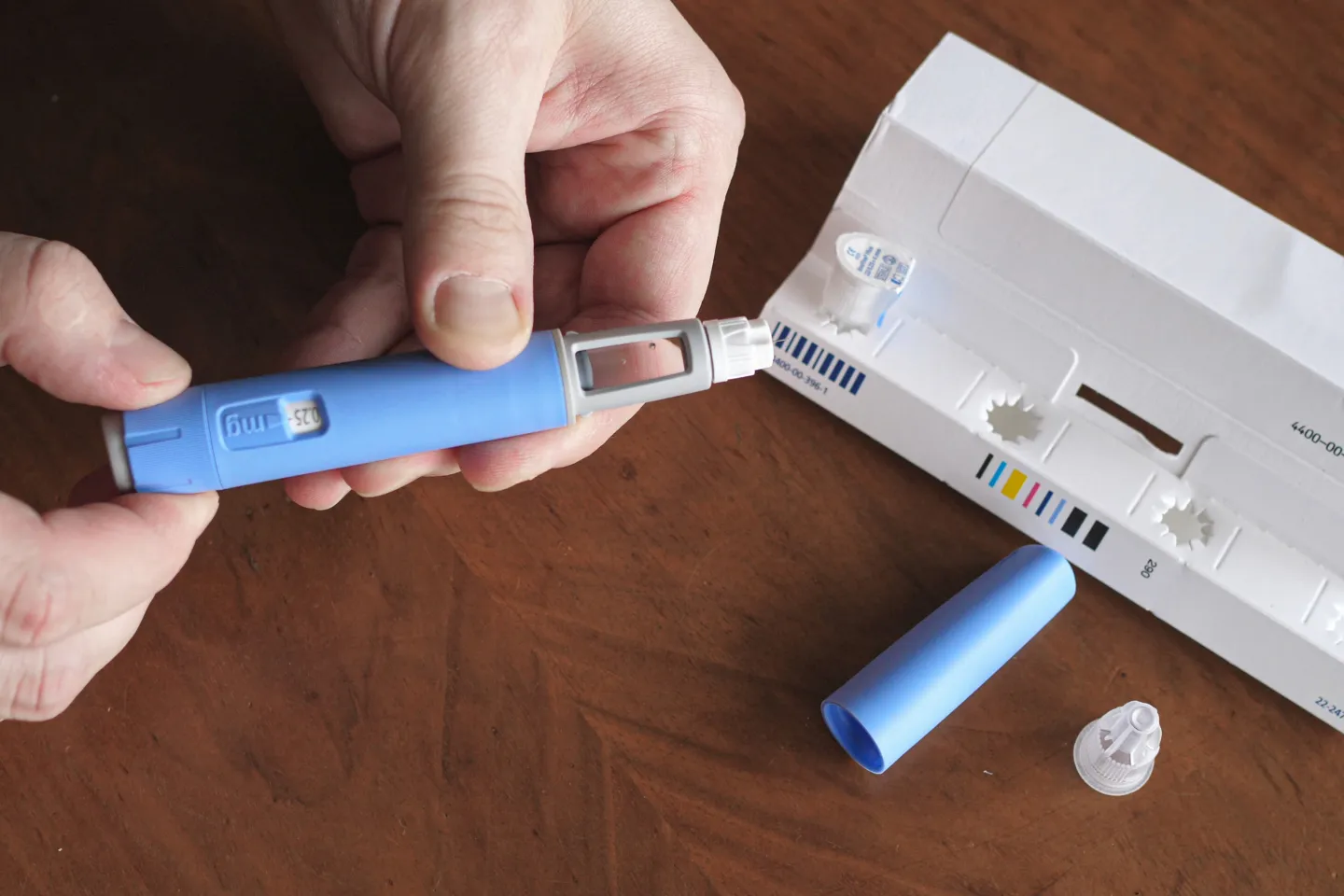
The Weight-Loss Drug Quietly Killing Your Desire to Drink
How semaglutide and tirzepetide(GLP- 1 and GLP 1 + GIP) Are Rewriting What We Know About Addiction — And Possibly Changing Medicine Forever
The Surprising Side Effect Patients Couldn't Stop Talking About
It started with Reddit posts.
Thousands of people prescribed Ozempic, Wegovy, and Mounjaro for obesity or type 2 diabetes were reporting something unexpected: they just... didn't want to drink anymore. The wine sitting on the counter didn't call to them. The Friday night cocktail felt like a chore. The craving was simply — gone.
Doctors noticed. Researchers took note. And now, the science is catching up to what patients already knew.
What the Research Actually Says
A landmark study published in Scientific Reports analyzed over 68,250 Reddit posts related to semaglutide and tirzepetide(GLP-1 and GLP-1/GIP) agonists, then followed up with 153 obese, alcohol-drinking participants who were taking either semaglutide and tirzepetide(GLP- 1 or GLP 1 + GIP) for at least 30 days.
The results were striking.
Among the alcohol-related social media posts analyzed, 71% described craving reduction, decreased desire to drink, and other negative effects of alcohol — unprompted. These weren't people looking for an alcohol cure. They were people trying to lose weight, who happened to stop wanting to drink.
In the controlled survey arm, participants taking semaglutide and tirzepetide(GLP 1 + GIP or GLP- 1) consumed significantly less alcohol and showed lower probabilities of binge drinking. AUDIT (Alcohol Use Disorder Identification Test) scores dropped, and drinks per episode fell dramatically after starting medication.
The Brain Science Behind It
This isn't just about feeling full. It goes deeper — all the way into the brain's reward system.
Semaglutide(GLP-1) receptor agonists affect the mesolimbic pathway — particularly the nucleus accumbens and ventral tegmental area — the very circuit that drives addiction to food, alcohol, tobacco, and recreational drugs. In simple terms: these drugs appear to quiet the voice in your brain that says "one more drink."
Preclinical studies in rats, mice, and vervet monkeys showed that semaglutide(GLP-1) agonists suppress dopamine release in response to alcohol in the nucleus accumbens — essentially dampening the rewarding 'buzz' of drinking.
But there's also a fascinating new physical mechanism. A 2025 Virginia Tech study found that semaglutide(GLP-1) drugs appear to slow the speed at which alcohol enters the bloodstream, which also slows its effects on the brain. Even when consuming the same amount of alcohol, participants taking semaglutide,tirzepetide(GLP- 1, GLP 1 + GIP), or liraglutide reported feeling less intoxicated.
The Numbers That Should Raise Every Eyebrow
The real-world population data is where things get truly remarkable.
A retrospective cohort study of 83,825 patients with obesity found that semaglutide(GLP- 1) — compared with other anti-obesity medications — was associated with a 50–56% lower risk for both the incidence AND recurrence of Alcohol Use Disorder over a 12-month follow-up. Consistent reductions were seen across gender, age group, and race.
To put that in perspective: current FDA-approved medications for alcohol use disorder like naltrexone typically reduce relapse rates by around 15–25%. A 50–56% reduction would represent a generational leap in treatment.
Semaglutide and Tirzepetide GLP- 1 vs GLP 1 + GIP: Is One Better?
Both show impressive effects, but there are hints that tirzepetide(GLP 1 + GIP)(Mounjaro/Zepbound) — the newer dual GLP-1/GIP agonist — may have an edge.
In a subgroup analysis of observational studies, tirzepetide(GLP 1 + GIP) demonstrated the largest effect on alcohol-related outcomes among all types of semaglutide(GLP-1) receptor agonists — and two ongoing clinical trials are now specifically investigating tirzepetide(GLP 1 + GIP) for alcohol use disorder.
The 'Anti-Consumption' Drug Hypothesis
Researchers are now positing something far broader than just alcohol reduction.
Evolving data suggests that semaglutide and tirzepetide(GLP 1 + GIP and GLP- 1) may be the first effective "anti-consumption" agents — with potential applications in reducing food cravings, alcohol consumption, nicotine addiction, recreational drug use, and even uncontrollable shopping behaviors.
As one researcher framed it through the lens of 19th-century philosopher Arthur Schopenhauer: we can do what we want, but we cannot choose what we want. For the first time in history, a drug may be giving people a way to quiet those unwanted cravings — not through willpower, but through biology.
What This Means for Medicine — and for You
The implications are enormous, especially for the estimated 400 million people worldwide living with both obesity and alcohol misuse — two conditions that often feed each other in a vicious cycle.
Retrospective cohort studies have found that people taking semaglutide(GLP-1) receptor agonists are less likely to develop alcohol use disorder, and less likely to be hospitalized for acute alcohol intoxication.
Several randomized clinical trials are currently underway, including four trials of semaglutide(GLP- 1) and two of tirzepetide(GLP 1 + GIP)— and results are expected soon. The medical community is cautiously optimistic, acknowledging that while the observational data is compelling, randomized controlled trial confirmation is still needed before these drugs are officially prescribed for AUD.
The Bottom Line
We may be witnessing the beginning of a revolution in addiction medicine — not through a dedicated addiction drug, but through a diabetes and weight-loss medication that happens to rewire the brain's relationship with desire itself.
The people on Reddit who noticed they didn't want that glass of wine anymore weren't imagining things. The science is catching up — and what it's revealing is nothing short of extraordinary.
DISCLAIMER: This blog is for informational purposes only. Do not start, stop, or change any medication without consulting a qualified healthcare provider. semaglutide and tirzepetide(GLP- 1 and GLP 1 + GIP) are not currently FDA-approved for the treatment of Alcohol Use Disorder.
Contact us to book an appointment and explore our special offers
We want you to feel confident and look your best. Book an appointment or schedule a consultation today, because great results are just the beginning.
Name
Location
Your Email
*Phone Number
Message Body
I consent to this website storing my submission to respond to my inquiry. Please use the contact form only for genuine inquiries, not solicitations.
At West Point Med Spa, you can feel confident in the quality of our consultations and treatments.


Explore
Encinitas
Opening Hours
Mon: Closed
Tue: 8:30 am - 5:00 pm
Wed: 8:30 am - 5:00 pm
Thu: 10:00 am - 7:00 pm
Fri: 8:00 am - 1:00 pm
Sat: 9:00 am - 2:00 pm
Sun: Closed
Fontana
Opening Hours
Mon: 9:00 am - 5:00 pm
Tue: 9:00 am - 7:00 pm
Wed: 9:00 am - 7:00 pm
Thu: 9:00 am - 5:00 pm
Fri: 9:00 am - 7:00 pm
Sat: 9:00 am - 1:00 pm (Facials)
Sun: Closed
© 2026 West Point Aesthetic Center | A West Point Health Group practice | Terms and Conditions | Privacy Policy | HIPAA Privacy Policy | Website Design by Remedo